Image
News Archive
College of Science
Feb. 11, 2019
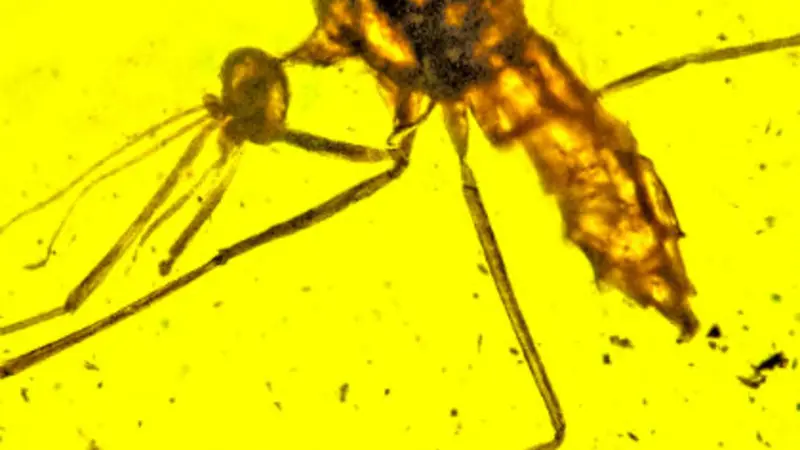
Mosquitoes that carry malaria may have been doing so 100 million years ago
The anopheline mosquitoes that carry malaria were present 100 million years ago, new research shows, potentially shedding fresh light on the history of a disease that continues to kill more than 400,000 people annually.
Image
College of Agricultural Sciences
Feb. 7, 2019
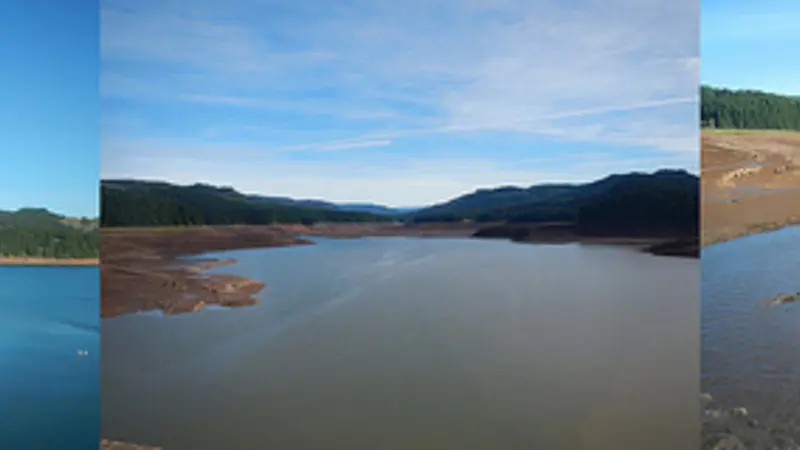
Study finds experimental extreme draining of reservoir has unexpected ecological impacts
The experimental extreme draining of a reservoir in Oregon to aid downstream migration of juvenile chinook salmon is showing benefits but also a mix of unintended consequences, including changing the aquatic food web and releasing potential predators downstream.
Image
College of Agricultural Sciences
Feb. 5, 2019
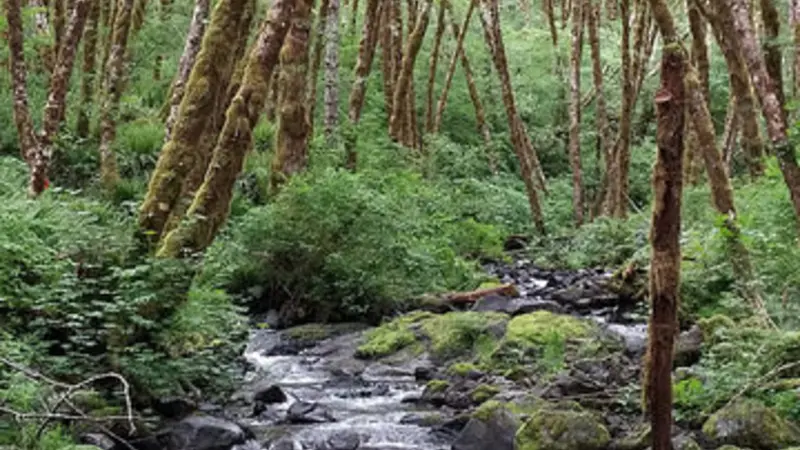
Climate modeling shows significant shifts in 21st century Pacific Northwest coastal forest vegetation
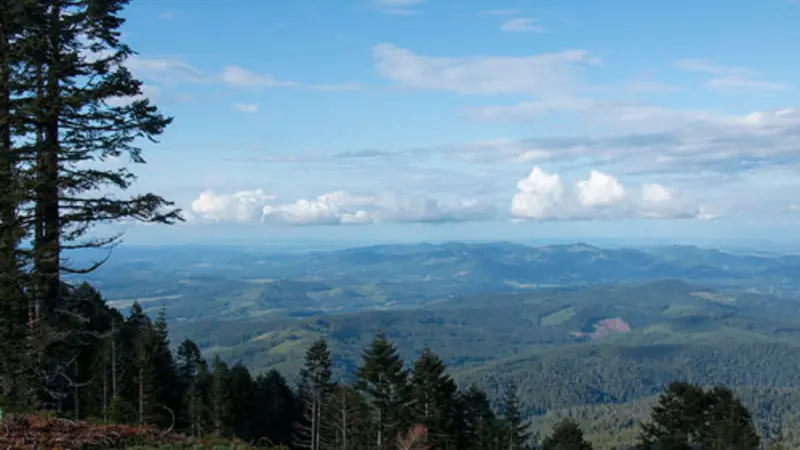
A changing climate in the 21st century will significantly alter the coastal forests of the Pacific Northwest, according to modeling by Oregon State University researchers.
Image
College of Forestry
Feb. 4, 2019
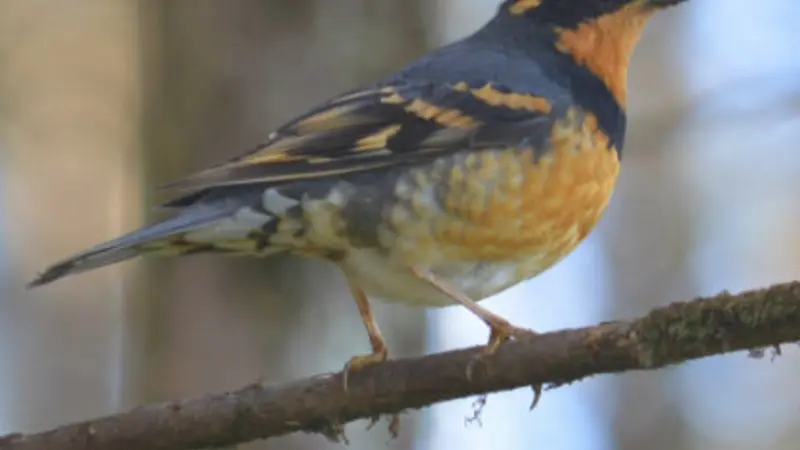
NW Forest Plan 25 years later: Wildfire losses up, bird populations down
Twenty-five years into a 100-year federal strategy to protect older forests in the Pacific Northwest, forest losses to wildfire are up and declines in bird populations have not been reversed, new research shows.
Image
College of Engineering
Jan. 31, 2019
Research showcase highlights work of engineering graduate students
Want to learn more about the Oregon State University College of Engineering’s far-ranging research efforts, including asking questions of those conducting the research? The college’s sixth annual Graduate Research Showcase provides that opportunity.
Image
College of Earth, Ocean and Atmospheric Sciences
Jan. 31, 2019
Climate report: Warming taking its toll on Oregon
The changing climate is having a significant impact on Oregon, a new report concludes, with the state growing progressively warmer, experiencing more severe wildfires, and undergoing a shift of seasons resulting in less snowpack and lower summer stream flows.
Image
College of Agricultural Sciences
Jan. 31, 2019
Blend of warmer water, chemical exposure influence gene expression across generations in a coastal fish
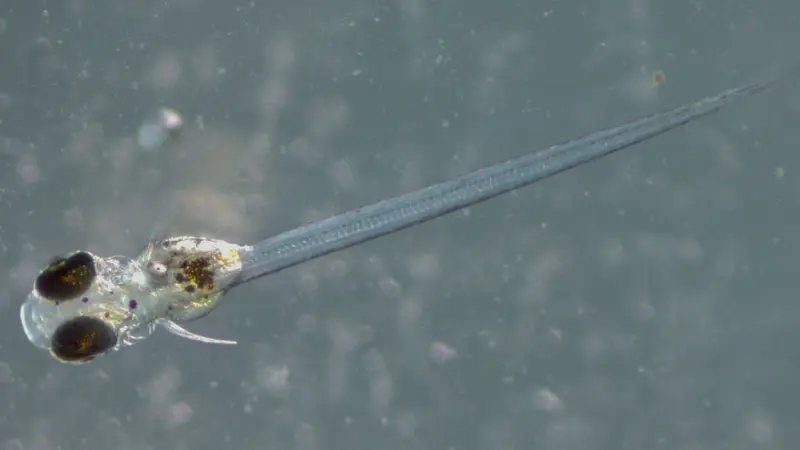
Warmer water temperatures, combined with low-level exposure to chemicals, influence the expression of genes in the offspring of an abundant North American fish species.
Image
College of Forestry
Jan. 30, 2019
Direct killing by humans pushing Earth’s biggest fauna toward extinction
One hundred forty-three species of large animals are decreasing in number and 171 are under threat of extinction, according to new research that suggests humans’ meat consumption habits are primarily to blame.