Image
News Archive
College of Pharmacy
April 3, 2025
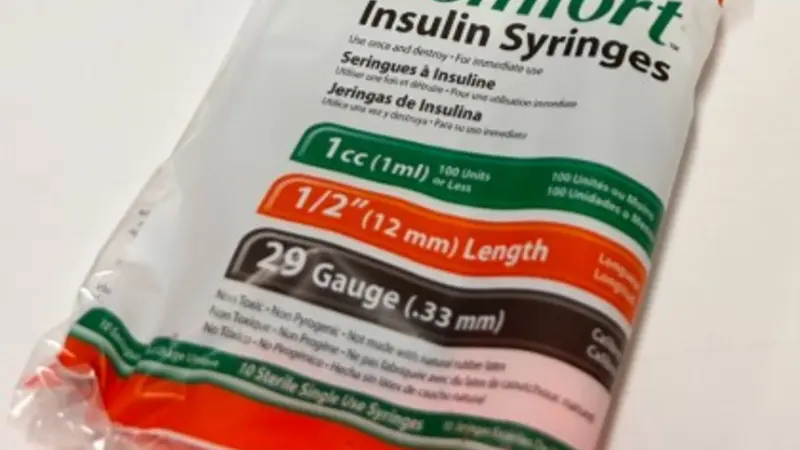
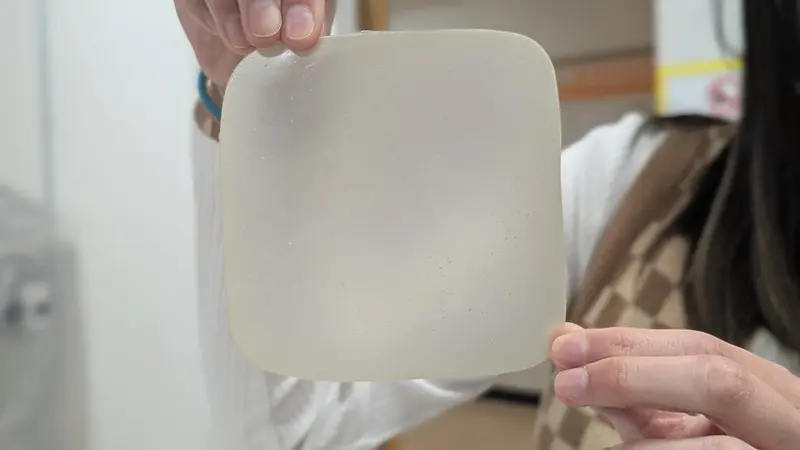
Pharmacies often won’t sell syringes without a prescription, exacerbating bloodborne disease transmission
More than two-fifths of Oregon community pharmacies require a prescription to purchase syringes, even though they can be sold over the counter, creating an access barrier that could exacerbate the spread of bloodborne diseases like hepatitis C.
Image
College of Agricultural Sciences
March 28, 2025
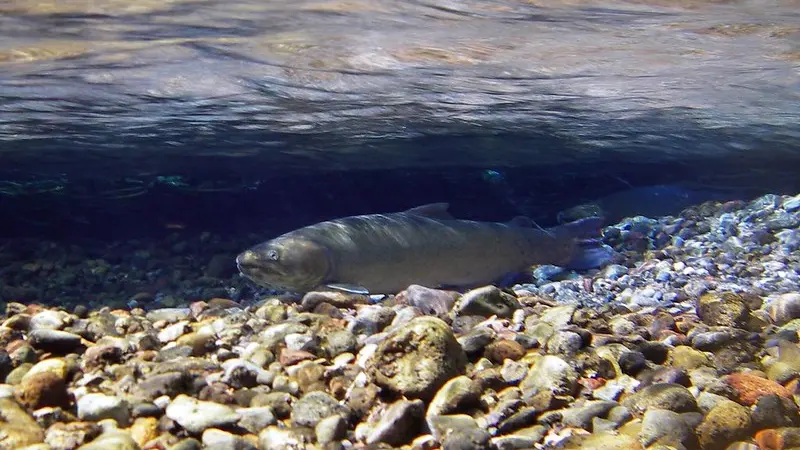
Climate change, non-native species pose double trouble for native species, study shows
Climate change could pose a dual threat to native species by reducing their suitable habitats and increasing predation pressure from non-native species, a new study by Oregon State University researchers finds.
Image
College of Health
March 13, 2025
When it comes to ACL injury, a dollar of prevention is worth more than seven dollars of cure
An analysis of high school soccer players suggests that incorporating a lower extremity injury prevention program results in fewer anterior cruciate ligament tears and a big reduction in health care expenses.
Image
Hatfield Marine Science Center
March 3, 2025
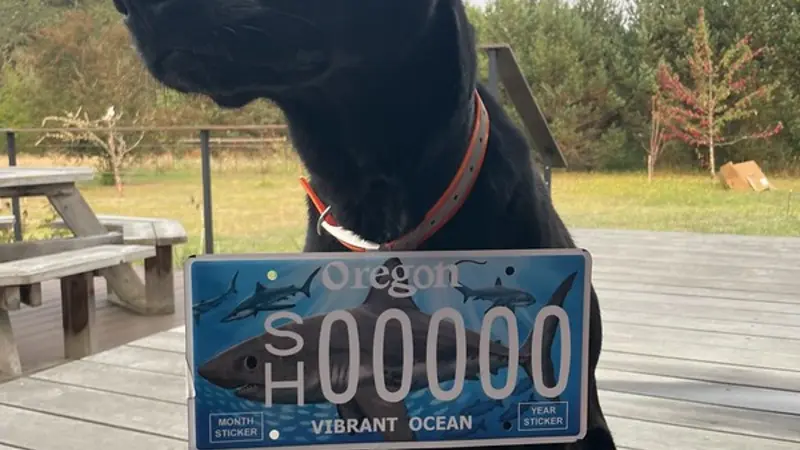
New specialty license plate will support shark research at Oregon State University
Vouchers are now on sale for a new specialty Oregon license plate that researchers hope will inspire people to think differently about the sharks living just off the Oregon Coast.
Image
College of Engineering
Feb. 27, 2025
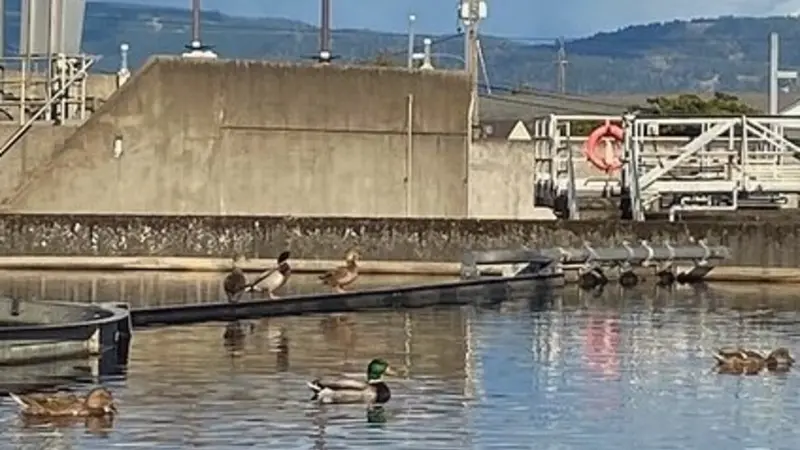
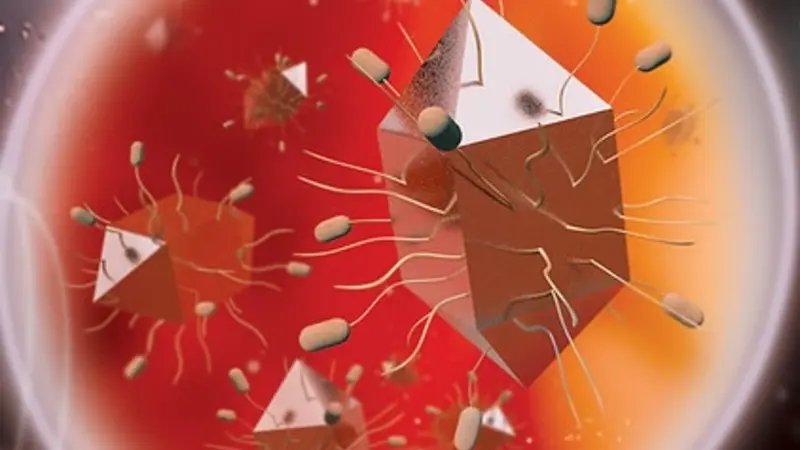
Bird flu markers in wastewater may come from wild birds, study led by Oregon State shows
New research shows that wild birds can account for much of the avian influenza virus evidence found in wastewater in Oregon, suggesting wastewater detections of the virus do not automatically signal human, poultry or dairy cattle cases of bird flu.
Image
College of Engineering
Feb. 18, 2025
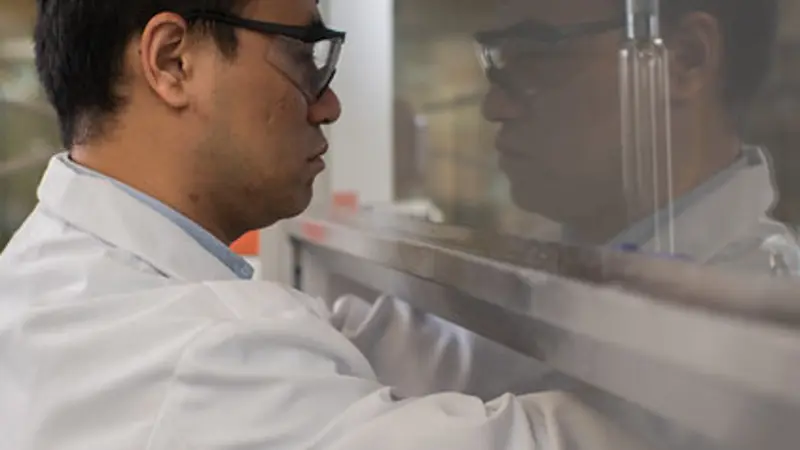
Researchers show how to efficiently convert captured carbon dioxide into green energy
Methanol, important for the manufacture of many everyday goods and for its green energy potential, may soon be produced faster and more efficiently thanks to a collaboration that included two Oregon State University researchers.