‘Molecular movie’ technology reveals a better way to thwart environmental pollutant
Story By
Steve Lundeberg, 541-737-4039
[email protected]
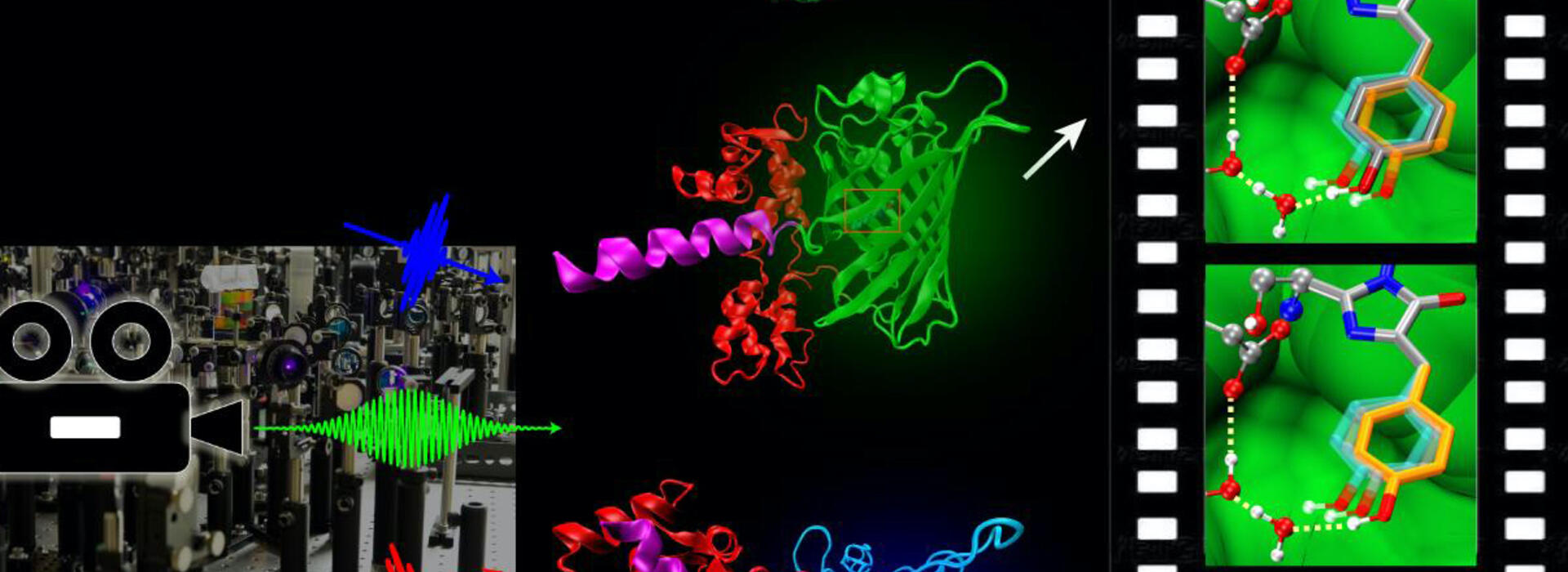
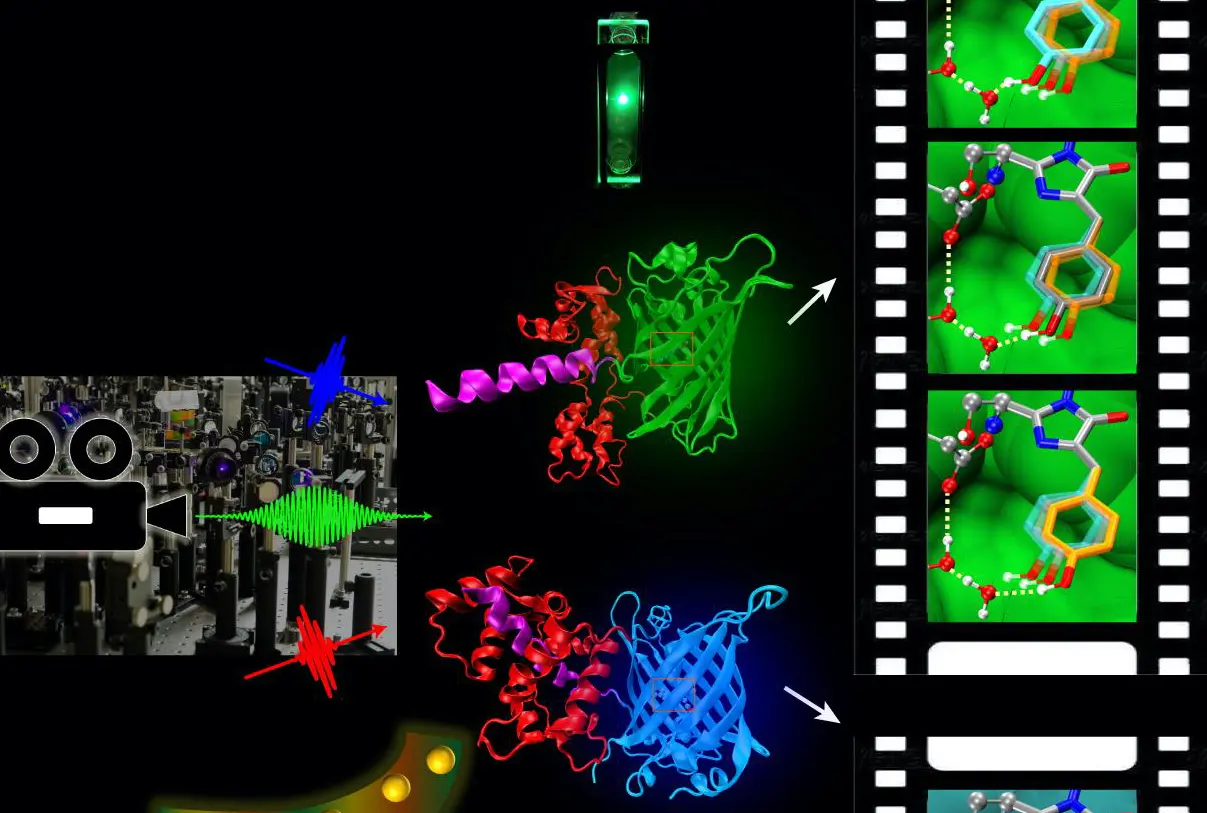
CORVALLIS, Ore. – The latest production from the “molecular movie” imaging technology developed at Oregon State University is a new, inexpensive way of dealing with a common environmental pollutant.
Based on short-pulse lasers, the imaging technology allows chemical and biological actions to be measured as they are occurring, one high-speed frame at a time. The measurements occur on the level of the femtosecond – one-millionth of one-billionth of a second.
A femtosecond is to a second roughly as a second is to 32 million years.
“We’re able to slow down the observation of chemical processes and understand the exact sequences of biochemical reactions,” said Chong Fang, professor of chemistry at OSU, who unveiled the technology in 2014. “It’s a really powerful tool to study, understand and tune biological processes. Now we have extended the tool set to delineate a wide array of chemical processes.”
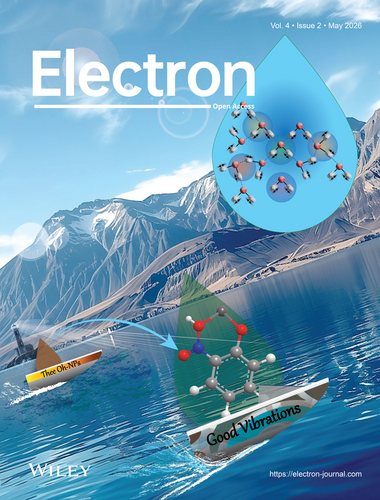
In a paper selected for the cover of the journal Electron, Fang and collaborators in the College of Science show how ultraviolet light and zinc, a cheap, plentiful metal, join forces in the breakdown of nitrophenols in water.
Nitrophenols are long-lasting, toxic compounds that get into surface water, as well as the air, from vehicle emissions, pesticides, wildfires and industrial waste. They’re problematic because they don’t degrade easily on their own they act as a precursor to other pollutants such as nitrous acid (which can affect air quality); they’re harmful to aquatic life; and they irritate and damage human tissue, resulting in headaches, nausea, breathing problems, and eye and skin issues.
In drinking water, nitrophenols usually appear at low levels, though they trend higher in water systems near chemical plants and high-traffic roads, and in systems with older treatment facilities.
Fang, postdoctoral researcher Taylor Krueger, graduate students Seth Johnson, Chieh-Hsi Kuan and research associate Cheng Chen used the molecular movie technology and other spectroscopic methods to watch how nitrophenols in water react and degrade when exposed to ultraviolet radiation.
The scientists observed excited-state intramolecular proton transfer – a positively charged hydrogen ion inside the nitrophenol molecule jumping from one place to another, creating a temporary, unstable form of the molecule called an aci-nitro intermediate.
The intermediate absorbs longer-wavelength light than the original molecule, making it comparatively easy to break down, even under just visible sunlight, Fang said. And through a structure-sensitive technique that measures molecular vibrations, the scientists learned that water molecules play an active role in the breakdown reaction.
“Knowing about this proton transfer step lets us understand where and how the molecule is vulnerable, which is critical information environmental engineers need for designing cleanup methods,” said Fang, the Patricia Valian Reser Endowed Faculty Scholar at OSU. “UV light makes nitrophenols temporarily change shape and electron clouds. Zinc ions help that to happen faster and also semi-stabilize the intermediate form, giving us a great opportunity to attack it.”
The National Science Foundation supported the research.
College of Science
About the OSU College of Science: As one of the largest academic units at OSU, the College of Science has seven departments and 12 pre-professional programs. It provides the basic science courses essential to the education of every OSU student, builds future leaders in science, and its faculty are international leaders in scientific research.
Source
Chong Fang, 541-737-6704
[email protected]