Agriculture and conservation share common ground after Klamath dam removals, study finds
Story By
Sean Nealon, 541-737-0787, [email protected]
CORVALLIS, Ore. – A new study of the largest dam removal project in United States history on the Klamath River in Oregon and California offers new insight into a long-running water conflict by finding that farmers and conservation groups share priorities that may help guide decision-making on future river restoration projects.
Researchers from Oregon State University found that farmers and conservation groups have a mutual understanding in four main areas: future uncertainty; a need for better collaboration and trust; an ecosystem-based approach to river restoration; and a willingness to experiment with creative management options.
“Our research shows the Klamath Basin is not just defined by conflict,” said Bryan Tilt, an anthropology professor at Oregon State and lead author of the study. “Farmers and conservation groups share important priorities, and those areas of agreement can help guide more collaborative management decisions in the basin and inform future river restoration efforts elsewhere.”
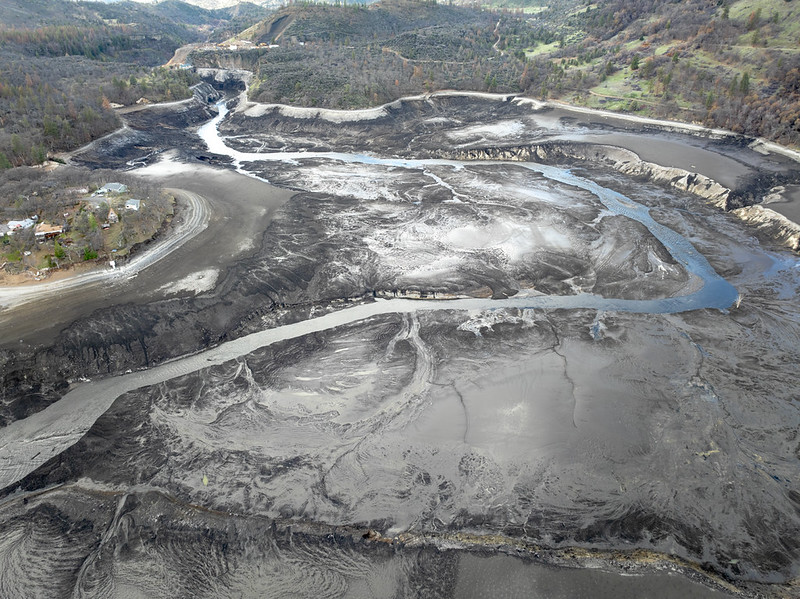
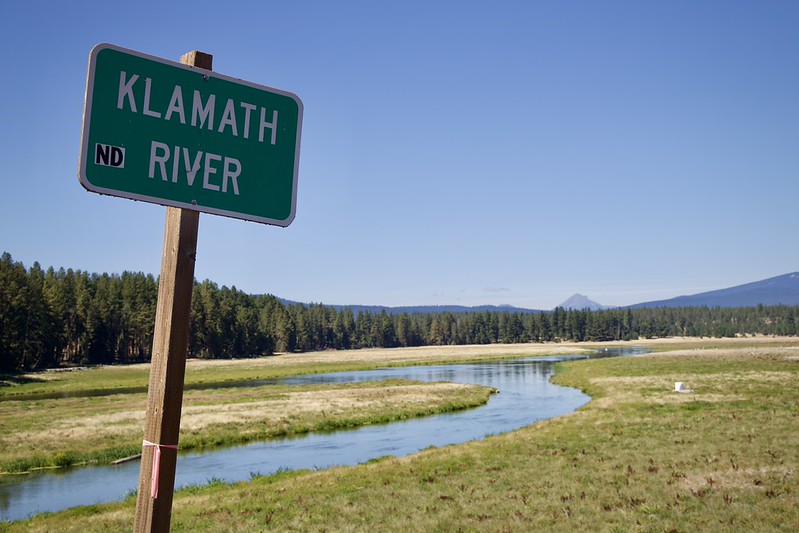
The Klamath River runs more than 250 miles along the Oregon-California border, through high desert, rainforest and redwoods to reach the Pacific Ocean. Four hydropower dams constructed between 1912 and 1963 were removed in 2023-24 to restore salmon habitat and improve water quality.
Removal of these dams has been discussed for decades and was slow to occur because of competing interests and a complex mix of state and federal agencies and tribal nations involved in Klamath Basin decision making.
As the dam removal project ramped up and occurred, Tilt and his team of three current and former graduate students - Hannah Boone, Jenna Davis and Rebecca Wheaton - set out to better understand those competing interests.
The new study focused on two of those groups: agricultural producers, which consist of farmers and ranchers who use irrigation water from the Klamath and its major tributaries; and conservation groups, which include scientists and policy experts working on conservation and restoration of salmon in the basin.
They conducted a total of 55 mostly in-person interviews, each lasting one to two hours, with individuals in the two groups. Interview responses were then analyzed through the lens of “cultural models,” a framework used in anthropology that describes worldviews, values and beliefs shared within a group.
The researchers then determined how opinions on management priorities differ and align among the two groups. The top priorities for each group, with a percentage of respondents who indicated each as a priority, were:
- Agricultural producers: fair representation (47%); data-informed decisions (37%); community well-being (33%); water storage and supply (33%); and water and property rights (27%).
- Conservation groups: restoration and conservation (40%); river ecosystem health (36%); responsible irrigation (36%); fish (36%); and water quality (32%).
The researchers also found the four areas of shared concern:
- Both groups cited uncertainty, including in relation to climate change, drought and wildfire, as posing a threat to the Klamath Basin. For farmers, this has long meant uncertainty about seasonal delivery of irrigation water. The researchers found that conservationists echoed those concerns, particularly in light of challenges related to climate change.
- Better collaboration and trust was a common theme. Both groups expressed regret about the collapse of previous collaborative Klamath Basin governance agreements and recognized that community socio-economic well-being matters.
- Both groups pointed out the need for landscape-scale management approaches and both voiced frustration with management decisions being driven by Endangered Species Act concerns about a single species. The researchers point out concern voiced by agricultural producers about single-species management focused on fish, at the expense of habitat for migrating birds.
- Finally, the groups expressed a willingness to experiment with nontraditional management options. Conservationists emphasized the potential of non-consumptive economic options, such as ecotourism, which make use of a resource, such as water or wildlife, without diminishing or destroying it.
These findings are especially important at a time in the United States when dams are increasingly aging out and being removed. The American Rivers Dam Removal Database listed 2,095 dam removals as of 2024, with a majority occurring in the past two decades.
“Understanding how cultural models of these groups diverge and converge can improve dialogue and support more effective management,” Tilt said.
The research was funded by Oregon Sea Grant through NOAA's National Sea Grant College Program, U.S. Department of Commerce, award no. NA24OARX417C0023.
College of Liberal Arts
About the OSU College of Liberal Arts: The College of Liberal Arts encompasses seven distinct schools, as well as several interdisciplinary initiatives, that focus on humanities, social sciences, and fine and performing arts. Curriculum developed by the college’s nationally and internationally-renowned faculty prepares students to approach the complex problems of the world ethically and thoughtfully, contributing to a student's academic foundation and helping to build real-world skills for a 21st century career and a purposeful life.
Source
Bryan Tilt, [email protected]