Image
News Archive
College of Science
June 4, 2024
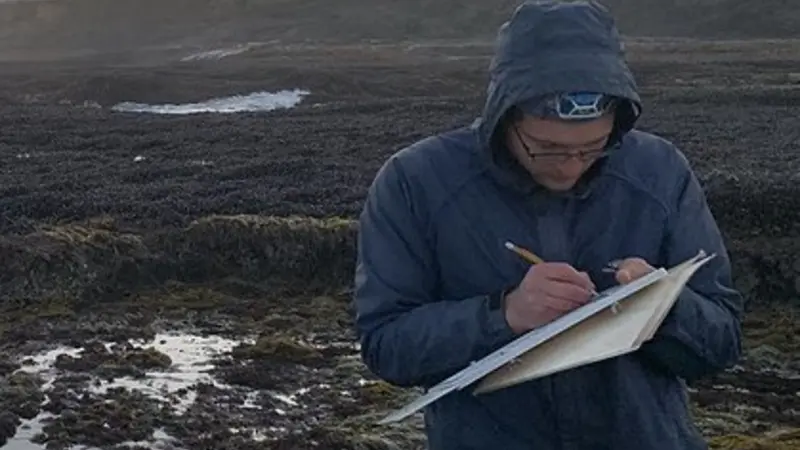
Rocky shores of Pacific Northwest show low resilience to changes in climate
CORVALLIS, Ore. – A 15-year period ending in 2020 that included a marine heat wave and a sea star wasting disease epidemic saw major changes in the groups of organisms that live along the rocky shores of the Pacific Northwest.
Image
College of Forestry
May 29, 2024
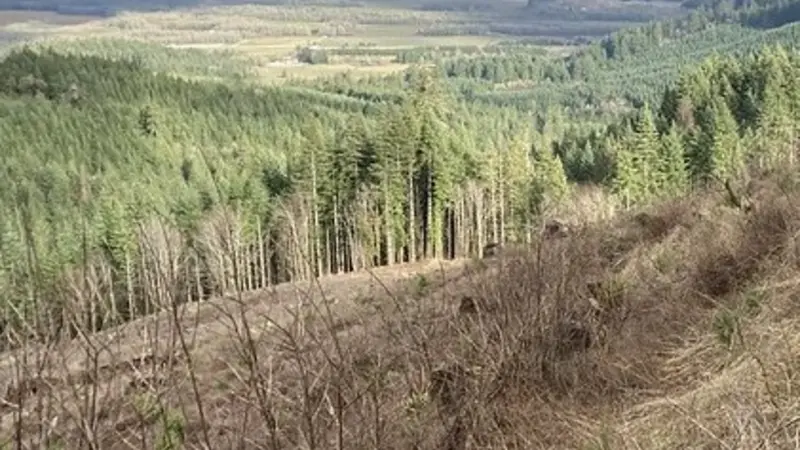
Public invited to June 5 input session for Oregon State McDonald-Dunn forest management plan
CORVALLIS, Ore. – The Oregon State University College of Forestry is hosting an input session next month about the college’s development of a new plan to guide management of the OSU-owned McDonald-Dunn Research Forest in the Coast Range foothills northwest of Corvallis.
Image
College of Science
May 23, 2024
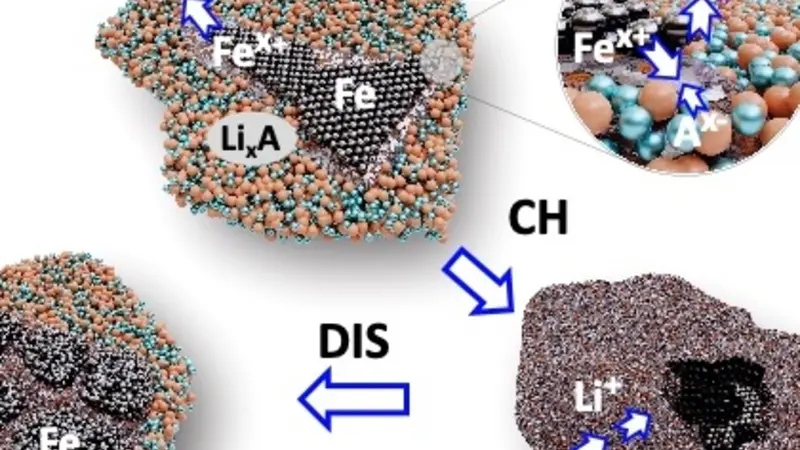
Iron could be key to less expensive, greener lithium-ion batteries, research finds
A collaboration co-led by an Oregon State University chemistry researcher is hoping to spark a green battery revolution by showing that iron instead of cobalt and nickel can be used as a cathode material in lithium-ion batteries.
Image
PRAx
May 22, 2024
OSU arts center PRAx announces 2024-25 season lineup, including artist-in-residence esperanza spalding
Tickets are now on sale for the 2024-2025 season at the Patricia Valian Reser Center for the Creative Arts (PRAx) at Oregon State University, which includes performances by PRAx’s inaugural artist-in-residence, jazz luminary and five-time Grammy award winner esperanza spalding.
Image
Hatfield Marine Science Center
May 21, 2024
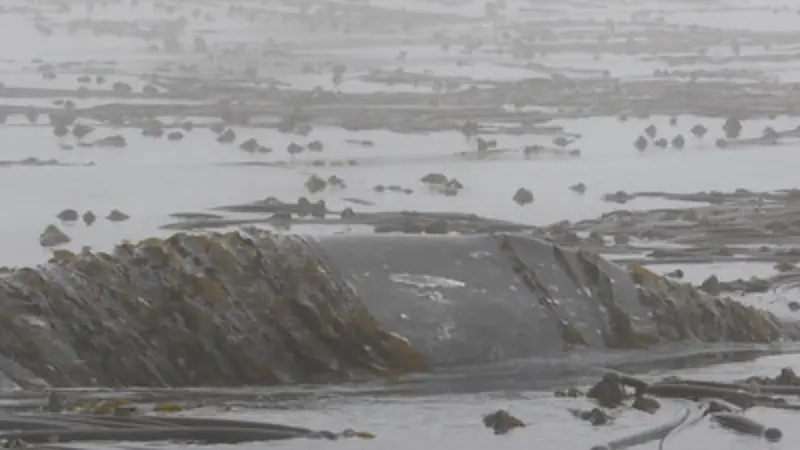
A rise in sea urchins and related damage to kelp forests impacts Oregon’s gray whales and their food
A recent boom in the purple sea urchin population off the southern Oregon Coast appears to have had an indirect and negative impact on the gray whales that usually forage in the region, a new study shows.
Image
College of Liberal Arts
May 20, 2024
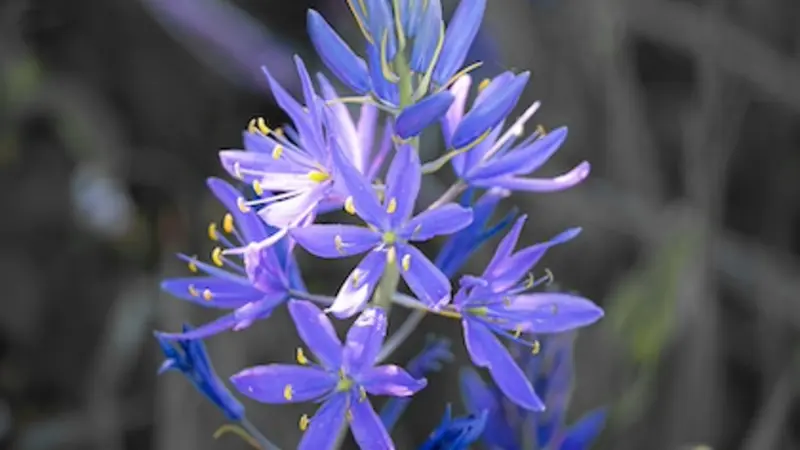
Legacy of Indigenous stewardship of camas dates back more than 3,500 years, OSU study finds
An Oregon State University study found evidence that Indigenous groups in the Pacific Northwest were intentionally harvesting edible camas bulbs at optimal stages of the plant’s maturation as far back as 3,500 years ago.